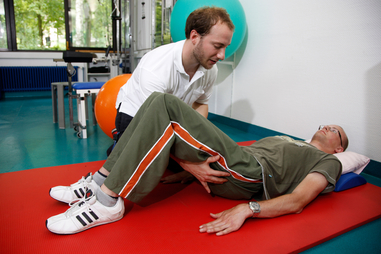
Rebuilding core strength after an injury is crucial for a successful recovery. This guide on how to use a medicine ball for core recovery workouts will show you how. We’ll explore safe and effective exercises, such as seated twists and controlled slams, designed to gradually strengthen your core and promote faster rehabilitation. Medicine balls offer a versatile way to build strength, and this approach focuses on targeted exercises tailored to post-injury needs.
You may also refer to Best Ankle Strengthening Exercises Using Resistance Bands: How To
- Safe Medicine Ball Core Exercises
- Mastering Medicine Ball Core Workouts
- Refining Your Core Recovery
- Medicine Ball Core Recovery: A Guide
- How to Use a Medicine Ball for Core Recovery Workouts Conclusion
- How to Use a Medicine Ball for Core Recovery Workouts Quick FAQ
Safe Medicine Ball Core Exercises
As a physical therapist, I emphasize the importance of safe and effective exercises in core recovery. Medicine balls offer a versatile tool for achieving this, allowing for gradual progression and minimizing the risk of re-injury. The key is to start slowly and focus on proper form. Don’t try to lift too much weight too soon. Instead, concentrate on controlled movements and feel the engagement in your core muscles. Remember, the goal is to rebuild strength and stability, not to push your limits beyond your current capacity.
Here are a few examples of safe medicine ball core exercises perfect for recovery:
- Seated Twists: Begin by sitting on the floor with your knees bent and feet flat. Hold the medicine ball close to your chest. Gently twist your torso from side to side, maintaining good posture and controlled movements. This exercise builds oblique strength, crucial for core stability and injury prevention. Focus on the feeling of the muscles working, not the speed of the rotation.
- Controlled Slams: While the name might sound intense, controlled slams are actually very safe if performed correctly. Start standing with your feet shoulder-width apart, holding the medicine ball at chest height. Slowly bring the ball overhead, and then with controlled power, slam it gently to the floor. The emphasis here is on controlled movement and the explosive power should come from your core, not just your arms. Immediately retrieve the ball and repeat. Remember to use a medicine ball weight appropriate for your current fitness level.
- Anti-Rotation Press: This is a more advanced exercise that requires better core strength, but is great once you’ve mastered the basics. Holding a medicine ball close to your chest, maintain a stable stance and push the ball out to one side while resisting the natural tendency to twist. This exercise builds incredible core stability, making this a great progression for more advanced individuals. Always prioritize proper form to avoid injury.
Remember to listen to your body. If you feel any pain, stop immediately and consult with your physician or physical therapist. These safe medicine ball core exercises are designed to help you recover and rebuild your core strength gradually and effectively. The emphasis should always be on safe and controlled movements.
Mastering Medicine Ball Core Workouts
Progressing from basic exercises to more challenging ones is key to mastering medicine ball core workouts and achieving optimal core recovery. As your strength improves, you can gradually increase the weight of the medicine ball, the number of repetitions, or the difficulty of the exercises. This controlled progression is vital for preventing re-injury and maximizing the benefits of your rehabilitation program. Remember, proper form is always paramount. Focus on maintaining a stable posture and controlled movements throughout each exercise.
Here are some ways to advance your medicine ball core exercises:
- Increase the weight: Start with a lighter medicine ball and gradually increase the weight as you feel stronger. This challenges your core muscles and promotes further growth.
- Add repetitions: Once you can comfortably perform a set number of repetitions with good form, increase the number of repetitions per set. This increases muscular endurance and builds strength.
- Introduce variations: Once you master the basic exercises, try variations to further challenge your core. For example, you could progress from seated twists to standing twists, or from medicine ball slams to Russian twists with a medicine ball.
- Incorporate dynamic movements: As you gain strength, incorporate more dynamic movements, such as medicine ball throws and catches, to further engage your core and improve functional fitness.
- Focus on controlled movements: Always prioritize controlled movements over speed or power, especially during your recovery phase. This helps to prevent further injuries and promotes optimal healing. Slow and controlled is the key to success.
By following these guidelines and listening to your body, you can safely and effectively progress through your medicine ball core workouts, leading to a stronger, more resilient core and a faster recovery.
Refining Your Core Recovery
As you progress through your core recovery journey using medicine balls, remember that consistency and proper form are key. Listen to your body; pain is a signal to stop and adjust. Don’t push yourself too hard, especially in the early stages. Gradually increasing the weight of the medicine ball, the number of repetitions, or the intensity of the exercises will help you challenge yourself safely and effectively.
Consider incorporating varied exercises into your routine. While seated twists are excellent for building rotational strength, controlled slams engage different muscle groups and improve explosive power. The key is to find a balance that targets all aspects of your core strength – stability, strength, and endurance. This multifaceted approach contributes to a more comprehensive and resilient core.
To further refine your core recovery, consider these points:
- Focus on breathing: Controlled breathing during each exercise helps stabilize your core and improves overall performance. Exhale during the exertion phase of each movement.
- Maintain good posture: Slouching or improper posture can negate the benefits of the exercises and may even lead to further injury. Maintain a neutral spine throughout each exercise.
- Progressive overload: As your strength increases, gradually increase the weight of the medicine ball or the difficulty of the exercise. This will challenge your muscles and promote further improvement.
- Regular review: Regularly reassess your progress and adjust your workout routine as needed. What worked well a few weeks ago may need modification as you get stronger.
By focusing on these details, you’ll steadily build a strong and resilient core, paving the way for a complete recovery and a return to your favorite activities.
| Key Aspect | Description |
|---|---|
| Consistency and Proper Form | Listen to your body; pain indicates a need to stop and adjust. Gradually increase weight, repetitions, or intensity. |
| Varied Exercises | Incorporate diverse exercises like seated twists (rotational strength) and controlled slams (explosive power) for balanced core strength (stability, strength, endurance). |
| Breathing | Controlled breathing; exhale during exertion. |
| Posture | Maintain a neutral spine to prevent injury and maximize benefits. |
| Progressive Overload | Gradually increase weight or exercise difficulty as strength improves. |
| Regular Review | Regularly reassess progress and adjust routine as needed. |
Medicine Ball Core Recovery: A Guide
This guide emphasizes the importance of gradual progression in your medicine ball core recovery program. Remember, the goal isn’t to push yourself to the limit immediately; it’s to rebuild strength safely and effectively. Start with lighter weight medicine balls and fewer repetitions, focusing on maintaining proper form throughout each exercise. As your core strength improves, you can gradually increase the weight of the medicine ball, the number of repetitions, and the difficulty of the exercises. Listen to your body and don’t hesitate to take rest days when needed. This approach will help prevent re-injury and ensure sustainable progress.
Here are some key considerations for a successful program:
- Proper Breathing: Always exhale during the exertion phase of each exercise (e.g., during a twist or slam) and inhale during the recovery phase. This helps engage your core muscles more effectively and prevents strain.
- Controlled Movements: Avoid jerky or uncontrolled movements. Each exercise should be performed with precision and control, focusing on the engagement of your core muscles. This is crucial for safe and effective core rehabilitation.
- Consistency: Regular exercise is key to building core strength. Aim for consistent workouts, even if it’s just a short session, to maximize your recovery process. Consistency trumps intensity in the early stages of rehabilitation.
- Professional Guidance: While this guide provides helpful information, consulting with a physical therapist is strongly recommended, especially if you’re recovering from a significant injury. They can assess your individual needs and create a personalized program.
By following these guidelines and prioritizing proper form and gradual progression, you can successfully utilize medicine balls to strengthen your core and expedite your recovery journey. Remember, patience and consistency are vital components of a successful rehabilitation plan.
How to Use a Medicine Ball for Core Recovery Workouts Conclusion
In conclusion, mastering how to use a medicine ball for core recovery workouts involves a thoughtful and progressive approach. This guide has outlined safe and effective exercises, emphasizing the importance of gradual progression, proper form, and listening to your body. From the foundational seated twists to the more advanced anti-rotation presses, each exercise plays a vital role in rebuilding core strength and stability after injury.
Remember, the journey to a strong and resilient core is a marathon, not a sprint. Consistency in your training, combined with a mindful focus on technique and controlled movements, will yield the best results. While medicine balls provide a fantastic tool for targeted core strengthening, remember that individual needs vary. A personalized approach tailored to your specific injury and recovery stage is crucial for optimal outcomes.
This guide on how to use a medicine ball for core recovery workouts serves as a starting point. Always prioritize safe and controlled movements, gradually increasing the intensity and difficulty of your exercises as your strength improves. Don’t hesitate to seek professional guidance from a physical therapist or healthcare provider for personalized advice and support throughout your recovery journey. With patience, dedication, and the right approach, you can successfully rebuild your core strength and return to a more active and fulfilling life.
By integrating the principles outlined in this article, you’ll be well-equipped to effectively utilize medicine balls as a key component of your core recovery program. Remember to prioritize safe and controlled movements, gradual progression, and consistent effort – the cornerstones of a successful rehabilitation journey. Your commitment to these elements will lead you to a stronger, more resilient core and a faster return to the activities you enjoy.
How to Use a Medicine Ball for Core Recovery Workouts Quick FAQ
What is the best way to start using a medicine ball for core recovery?
Begin with lighter weight medicine balls and fewer repetitions of each exercise. Focus intently on maintaining proper form throughout each movement. Gradually increase the weight, repetitions, and exercise difficulty as your strength improves. Always prioritize controlled movements over speed or power.
How can I make my medicine ball core workouts more challenging as I get stronger?
There are several ways to progress: increase the weight of the medicine ball, add more repetitions to each set, introduce variations of the exercises (e.g., moving from seated twists to standing twists), incorporate more dynamic movements (like medicine ball throws and catches), and focus on maintaining proper form and controlled movements throughout. Remember to always listen to your body and stop if you feel pain.
Are there any precautions I should take when using a medicine ball for core recovery?
Listen to your body and stop immediately if you experience any pain. Maintain good posture and controlled breathing throughout each exercise. Avoid jerky movements. Start slowly and gradually increase the weight and intensity of your workouts. Consult with a physical therapist or doctor if you have any concerns or are recovering from a significant injury. They can provide personalized guidance and ensure you’re using the proper techniques.