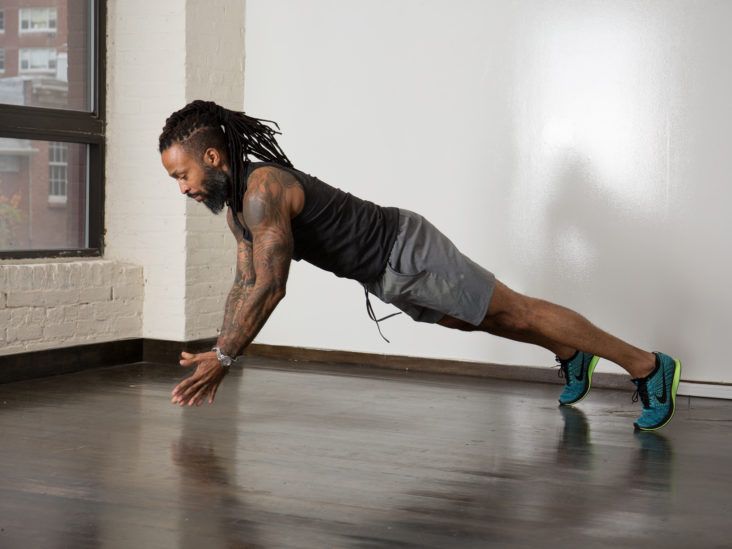
Regaining explosive power after an injury requires a carefully planned approach. Plyometrics offer a powerful way to rebuild this power, but incorrect execution can lead to setbacks. Finding the best plyometric exercises for injury recovery involves understanding how to safely modify standard movements. This means adapting exercises like box jumps and medicine ball throws to suit individual needs and injury stages. This approach allows for gradual progression, maximizing recovery while minimizing the risk of re-injury.
You may also refer to How to Use Glute Ham Developers for Recovery: Beginner’s Guide
- Finding the Best Plyometric Exercises for You
- Tailoring Plyometrics for Recovery
- Choosing the Best Plyometric Exercises
- Best Plyometrics: Safe Progressions
- Best Plyometric Exercises for Injury Recovery Conclusion
- Best Plyometric Exercises for Injury Recovery Quick FAQ
Finding the Best Plyometric Exercises for You
Finding the right plyometric exercises for your specific injury and recovery stage is crucial for safe and effective rehabilitation. Improperly performed plyometrics can lead to re-injury, delaying your return to your previous activity level. Therefore, a tailored approach is essential. This involves a careful consideration of several factors, including:
- Your injury type and severity: A recent ankle sprain will require different modifications than a chronic knee problem. The intensity and types of plyometric exercises must be adjusted to match your healing process.
- Your current fitness level: If you’re starting from a lower baseline due to deconditioning from your injury, you’ll need to begin with very basic exercises and gradually progress. Jumping jacks or simple step-ups may be more appropriate initially compared to box jumps.
- Your overall physical condition: Factors like your age, overall health, and any co-existing conditions will influence the exercises suitable for you. A personalized program accommodates these factors, emphasizing safe and progressive overload.
- Your specific goals: What are you hoping to achieve with plyometrics? Are you aiming for a return to competitive sport, or simply improved functional mobility in daily life? Understanding your goals helps shape the program’s focus and intensity.
Remember, the best plyometric exercises are those that are safe, effective, and tailored to your individual needs. Working with a physical therapist experienced in sports rehabilitation can ensure you choose appropriate exercises and progress safely and efficiently. Ignoring these points could potentially lead to setbacks and hinder your recovery.
Tailoring Plyometrics for Recovery
Successfully incorporating plyometrics into your rehabilitation program requires careful consideration of your individual needs and injury history. This isn’t a one-size-fits-all approach; safe and effective plyometric exercise modifications are crucial for optimal results. We’ll explore how to adapt these powerful exercises to fit your specific recovery journey, ensuring you rebuild explosive power without risking re-injury.
Consider these key factors when tailoring your plyometric program:
- Injury Type and Severity: The nature and severity of your injury significantly impact the type of plyometrics you can perform and the progression speed. For example, a minor ankle sprain might allow for early introduction of low-impact exercises, while a severe knee injury necessitates a much more cautious and gradual approach, potentially starting with bodyweight exercises before progressing to jumps.
- Current Physical Condition: Your overall fitness level and current strength influence the intensity and complexity of the plyometric exercises. If you’re recovering from a significant injury, you might need to start with very basic exercises, focusing on building strength and stability before progressing to more explosive movements. This ensures you are building a solid foundation before increasing intensity and challenging your injured areas.
- Pain Levels: Always prioritize pain management. Never push through significant pain. Plyometric exercises should be challenging but shouldn’t cause sharp or intense pain. Listen to your body and adjust the exercises or intensity accordingly. This is an important safety precaution to prevent setbacks.
- Progression Rate: Gradual progression is paramount. Start with low-impact exercises and gradually increase the intensity, frequency, and complexity as your strength and stability improve. Rushing the process significantly increases your risk of re-injury, which is what we aim to avoid. Consistency and patience are key.
- Professional Guidance: Working with a physical therapist specializing in sports rehabilitation offers invaluable support. They can assess your condition, create a personalized plan, modify exercises to suit your needs, and ensure you’re following safe and effective techniques throughout your recovery.
Remember, the goal is to regain explosive power while minimizing the risk of re-injury. By carefully considering these points, you can safely and effectively incorporate plyometrics into your recovery plan.
Choosing the Best Plyometric Exercises
Choosing the right plyometric exercises for your recovery is crucial for maximizing results while minimizing the risk of re-injury. As a certified physical therapist specializing in sports rehabilitation, I understand the importance of safe and effective progressions. This means carefully considering your specific injury and current fitness level. We’ll work together to select exercises that are appropriate for your stage of recovery. Remember, plyometrics are powerful tools for rebuilding explosive power, but they must be implemented correctly.
We will avoid exercises that put excessive stress on your injured area. For example, if you’ve sustained a knee injury, we may initially avoid deep box jumps and focus on exercises like modified squat jumps or step-ups. If you’ve had a shoulder injury, we might start with medicine ball throws at reduced weight and distance, gradually increasing intensity as your strength and stability improve. The goal is to build a foundation of strength and control before progressing to more challenging plyometric movements. The process involves a careful consideration of your individual needs and limitations.
Here are some factors we consider when choosing the best plyometric exercises for you:
- Type of injury: The specific area injured will dictate which exercises to avoid and which are safe to include.
- Stage of recovery: Early stages of recovery may require very low-impact exercises, whereas later stages may allow for more intense movements.
- Current fitness level: Your overall strength, flexibility and balance will influence the starting point and the speed of progression.
- Individual needs and goals: We’ll work together to create a program tailored to your specific needs and athletic goals.
Remember, patient-centered care and a cautious approach to progression are key to successful recovery using plyometrics.
“`html
| Factor | Description | Example |
|---|---|---|
| Type of Injury | The specific area injured dictates which exercises to avoid and which are safe. | Knee injury: Avoid deep box jumps; Shoulder injury: Start with light medicine ball throws. |
| Stage of Recovery | Early stages need low-impact exercises; later stages allow more intense movements. | Early: Modified squat jumps; Later: Box jumps. |
| Current Fitness Level | Overall strength, flexibility, and balance influence starting point and progression speed. | Low fitness: Start with simple exercises and slow progression. |
| Individual Needs and Goals | A personalized program tailored to specific needs and athletic goals. | Customized exercise selection and intensity. |
“`
Best Plyometrics: Safe Progressions
Safe and effective progression is paramount when incorporating plyometrics into injury recovery. Rushing the process can easily lead to re-injury, negating all the hard work and potentially extending recovery time. My approach focuses on a gradual increase in intensity and complexity, ensuring each step is mastered before moving on. This individualized approach considers the specific injury, the patient’s current fitness level, and their overall progress.
We start with fundamental exercises that build a solid foundation of strength and stability. This might include simple jumping jacks, low-impact hops, or even isometric holds to engage the relevant muscle groups. Only after demonstrating sufficient control and strength in these foundational movements do we progress to more advanced exercises.
The progression itself is carefully monitored. We track key metrics such as jump height, landing technique, and any signs of pain or discomfort. This data allows for real-time adjustments to ensure the program remains safe and effective. For example, if a patient experiences knee pain during a box jump, we might modify the exercise by reducing the box height, changing the landing surface, or incorporating more pre-jump stabilization exercises.
Ultimately, the goal is to gradually increase the intensity and complexity of plyometrics while maintaining safety and preventing re-injury. This might involve:
- Increasing the height of the box jump
- Increasing the weight of the medicine ball
- Decreasing the rest period between repetitions
- Introducing more dynamic movements
Each increase is carefully considered and implemented only when the patient demonstrates readiness and proper form.
Best Plyometric Exercises for Injury Recovery Conclusion
Regaining explosive power after injury is a journey, not a sprint. The path to success involves understanding that the best plyometric exercises for injury recovery aren’t about brute force, but about intelligent, controlled progression. This article has highlighted the importance of tailoring your plyometric program to your specific injury, fitness level, and recovery stage. Remember, the key is gradual increases in intensity, constant attention to proper form, and the willingness to listen to your body.
Ignoring these principles can lead to setbacks and prolonged recovery times. By focusing on safe and effective modifications, you can harness the power of plyometrics to rebuild strength, improve functionality, and safely return to the activities you love.
Key Takeaways:
- Individualized Approach: There’s no one-size-fits-all solution. Your program should be tailored to your unique needs and injury history.
- Gradual Progression: Start slow, build a solid foundation, and gradually increase intensity to minimize risk of re-injury.
- Pain Management: Never push through significant pain. Adjust your exercises or intensity if needed.
- Professional Guidance: Consulting a physical therapist experienced in sports rehabilitation is highly recommended for personalized guidance and support.
- Patience and Consistency: Recovery takes time and dedication. Stay consistent with your program and celebrate your progress along the way.
By carefully selecting and progressing through plyometric exercises, and by prioritizing safety, you can effectively rebuild explosive power and achieve your recovery goals. Remember, the best plyometric exercises for injury recovery are those performed correctly and consistently, within the limits of your body’s capacity.
Best Plyometric Exercises for Injury Recovery Quick FAQ
What are the risks of doing plyometrics incorrectly after an injury?
Improperly performed plyometrics can easily lead to re-injury, delaying your recovery and potentially causing further damage. It’s crucial to follow a carefully planned progression and to work with a professional who can modify exercises to suit your individual needs and injury stage. Pushing too hard too soon can negate all your hard work and extend your recovery time considerably.
How do I know if I’m ready to start plyometric exercises after an injury?
Readiness for plyometrics depends on several factors including the type and severity of your injury, your current fitness level, and your pain levels. You should have regained a significant degree of strength and stability in the injured area, and you shouldn’t experience any significant pain during simpler movements. It’s vital to consult with a physical therapist or other qualified healthcare professional to assess your readiness and create a safe and effective plan.
What types of plyometric exercises are best for beginners recovering from injuries?
Beginners should start with low-impact exercises that focus on building a solid foundation of strength and control. Examples include simple jumping jacks, step-ups, modified squat jumps, and medicine ball throws with reduced weight and distance. The key is to gradually increase the intensity and complexity as your strength and stability improve, always prioritizing proper form and pain-free movement. A physical therapist can guide you in selecting and progressing through appropriate exercises.