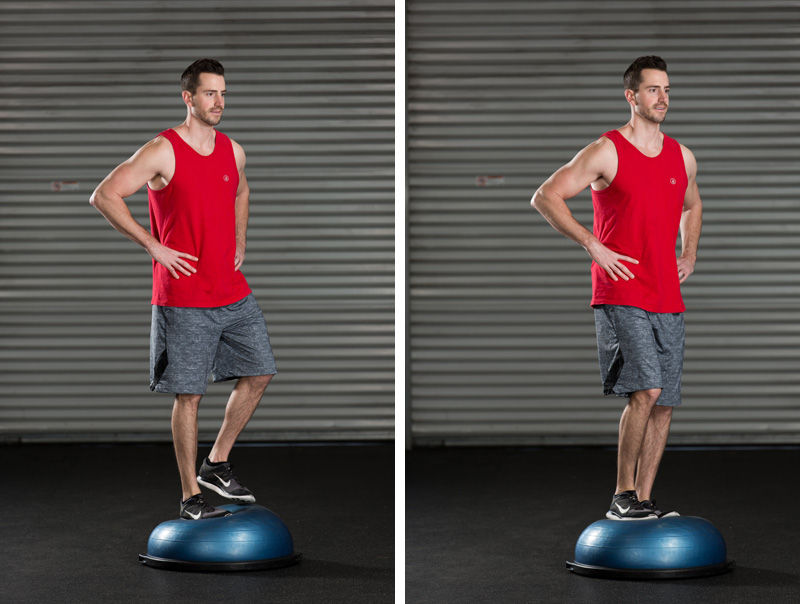
Recovering from an injury often requires regaining balance and strength. This guide explores how to use a BOSU ball for post-injury balance training, focusing on efficient exercises to aid your recovery. By incorporating movements like lunges and squats on the unstable surface of the BOSU ball, you can effectively build muscle strength and improve stability, accelerating the rehabilitation process and improving overall functional fitness. The BOSU ball’s unique design challenges your body, leading to significant gains in both balance and core strength.
You may also refer to Best Plyometric Exercises for Injury Recovery: Safe Modifications
- BOSU Ball: Injury Recovery
- Mastering BOSU Balance Training
- BOSU Exercises: Post-Injury Balance
- BOSU Ball: Post-Injury Balance Guide
- How to Use a BOSU Ball for Post-Injury Balance Training Conclusion
- How to Use a BOSU Ball for Post-Injury Balance Training Quick FAQ
BOSU Ball: Injury Recovery
Recovering from an injury requires patience and a structured approach to regaining strength and balance. The BOSU ball offers a unique and effective tool in this process. Its unstable surface challenges your body’s core stability, forcing muscles to work harder to maintain balance. This increased muscle activation is crucial for injury recovery, as it helps rebuild strength and coordination in a safe and controlled environment. Using the BOSU for rehabilitation goes beyond simple strengthening; it directly addresses the balance deficits often experienced post-injury.
Many injuries, especially those affecting the lower extremities, result in compromised balance. The BOSU ball helps target this directly. By performing exercises like single-leg stances or squats on the dome, you actively engage your stabilizing muscles, improving proprioception (your body’s awareness of its position in space). This enhanced proprioception is paramount for preventing re-injury and regaining confidence in your movements. Remember, the key is to progress gradually, starting with easier exercises and increasing the challenge as your strength and balance improve. Always listen to your body and stop if you experience any pain.
The benefit of incorporating a BOSU ball into your injury recovery plan lies in its versatility. It allows for a wide range of exercises, modifying the difficulty based on your individual needs. For example, a simple single-leg stance on the flat side of the ball provides a gentler challenge, compared to performing the same exercise on the dome. This adaptability makes the BOSU ball an ideal tool for various stages of rehabilitation, from early recovery to advanced strengthening.
- Improved balance: The unstable surface forces your body to work harder, improving proprioception and balance.
- Increased muscle activation: Engaging a wider range of muscles compared to traditional exercises.
- Gradual progression: Adaptable to different fitness levels and recovery stages.
- Enhanced core strength: Strengthening your core is essential for overall stability and injury prevention.
Mastering BOSU Balance Training
Mastering balance is crucial for a successful recovery from injury, and the BOSU ball provides an excellent tool for achieving this. The unstable nature of the BOSU challenges your body’s core stabilizing muscles, forcing them to work harder to maintain equilibrium. This increased activation is key to rebuilding strength and improving proprioception (your body’s awareness of its position in space). Progressing through BOSU exercises should be gradual and tailored to your individual needs and recovery phase. Remember, safety is paramount. Always start with easier exercises and gradually increase the difficulty as your balance and strength improve. To successfully master BOSU balance training and ensure a safe and effective rehabilitation program, consider these points:
- Start slowly: Begin with simpler exercises on the flat side of the BOSU, focusing on proper form before progressing to more challenging movements on the dome side. This helps build a solid foundation of balance and strength.
- Maintain proper posture: Throughout each exercise, focus on maintaining good posture. Keep your core engaged, your back straight, and your shoulders relaxed. Poor posture can lead to injuries and hinder progress.
- Use support if needed: Don’t hesitate to use a wall or chair for support, especially during the initial stages of training. This adds a degree of safety and allows you to focus on the correct form.
- Listen to your body: Pay attention to your body’s signals. If you feel any pain, stop the exercise immediately and rest. Pushing through pain can lead to setbacks in your recovery.
- Gradual progression: As your balance and strength improve, gradually increase the difficulty of the exercises. This could involve increasing the duration of the exercise, performing more repetitions, or transitioning to more challenging variations.
- Professional guidance: Consider working with a physical therapist for personalized guidance and a tailored exercise program. They can assess your specific needs and help you safely and effectively improve your balance and strength using the BOSU ball.
By following these guidelines, you can safely and effectively use the BOSU ball to improve your balance and accelerate your recovery from injury.
BOSU Exercises: Post-Injury Balance
Recovering from an injury often requires regaining balance and strength. BOSU ball exercises offer a unique and effective approach to achieve this. The instability of the BOSU ball challenges your body in ways that traditional exercises don’t, forcing your muscles to work harder to maintain stability. This increased effort leads to significant improvements in core strength, leg strength, and overall proprioception (your body’s awareness of its position in space).
Here are some key benefits of incorporating BOSU exercises into your post-injury rehabilitation program:
- Improved Balance: The unstable surface of the BOSU ball forces your body to constantly adjust, enhancing your balance and coordination.
- Increased Muscle Strength: Exercises performed on a BOSU ball engage more muscle fibers than their counterparts on a stable surface, leading to faster muscle strength gains.
- Enhanced Proprioception: By constantly challenging your balance, the BOSU ball improves your body’s awareness of its position and movement in space, reducing the risk of future injuries.
- Safe and Effective Rehabilitation: When performed correctly under the guidance of a qualified professional, BOSU ball exercises provide a safe and effective way to progress through rehabilitation, building confidence and accelerating recovery.
Remember, it’s crucial to start slowly and gradually increase the difficulty of the exercises. Always listen to your body and stop if you feel any pain. A physical therapist can help create a personalized program tailored to your specific needs and injury type, ensuring that you’re using the BOSU ball appropriately and safely to achieve your rehabilitation goals.
| Benefit | Description |
|---|---|
| Improved Balance | The unstable surface constantly challenges balance and coordination. |
| Increased Muscle Strength | Engages more muscle fibers than stable surface exercises, leading to faster gains. |
| Enhanced Proprioception | Improves body awareness of position and movement, reducing future injury risk. |
| Safe and Effective Rehabilitation | Provides a safe and effective way to progress through rehabilitation when performed correctly under professional guidance. |
BOSU Ball: Post-Injury Balance Guide
This section offers a practical guide to integrating the BOSU ball into your post-injury rehabilitation. Remember, safety is paramount. Always consult your physical therapist before starting any new exercise program, especially after an injury. They can assess your specific needs and tailor exercises to your individual capabilities. The BOSU ball’s inherent instability makes it an excellent tool, but improper use can hinder your recovery. Proper form is crucial to avoid re-injury and maximize the benefits. Here’s what you should consider:
- Start slowly: Begin with simpler exercises on the flat side of the BOSU ball to build confidence and control before progressing to more challenging positions on the dome side. This gradual approach minimizes the risk of falls and allows your body to adapt to the unstable surface.
- Focus on core engagement: Many BOSU exercises inherently engage your core muscles, vital for balance and stability. Actively engage your core throughout each repetition to maximize the effectiveness of the exercises and maintain control.
- Listen to your body: Pay close attention to any pain or discomfort. If you feel pain, stop the exercise immediately and consult your physical therapist. Pushing through pain can lead to setbacks and potentially worsen your injury.
- Progression is key: As your balance and strength improve, gradually increase the difficulty of the exercises. This might involve increasing the duration of the exercises, adding repetitions, or progressing to more challenging variations on the BOSU ball. Your physical therapist can guide you through this process safely and effectively.
- Environmental considerations: Ensure you have a safe and spacious area to perform BOSU ball exercises. Avoid performing exercises near sharp objects or obstacles that could cause injury if you lose your balance. Consider using a spotter for added safety, especially when starting.
By following these guidelines and working closely with your physical therapist, you can safely and effectively utilize the BOSU ball to improve your balance, strength, and overall recovery after an injury. Remember, patience and consistency are key to achieving your rehabilitation goals.
How to Use a BOSU Ball for Post-Injury Balance Training Conclusion
Recovering from an injury is a journey that requires dedication, patience, and a strategic approach to regaining strength and balance. This guide, “How to Use a BOSU Ball for Post-Injury Balance Training,” has explored the significant benefits of incorporating the BOSU ball into your rehabilitation plan. We’ve seen how its unstable surface challenges your body, forcing crucial muscle activation to maintain balance and improve proprioception.
From mastering fundamental exercises like single-leg stances to progressing to more challenging movements such as squats and lunges, the BOSU ball offers a versatile platform for a gradual and safe return to full function. Remember, the key is gradual progression. Start slowly, focusing on proper form and listening to your body’s signals. Don’t hesitate to use support when needed, and always prioritize safety over speed.
Key Takeaways from How to Use a BOSU Ball for Post-Injury Balance Training
- The BOSU ball provides a unique and effective way to improve balance and strength after an injury.
- Gradual progression is crucial; start with easier exercises and slowly increase the difficulty.
- Proper form and core engagement are essential for maximizing benefits and minimizing the risk of re-injury.
- Professional guidance from a physical therapist is recommended to create a personalized program.
- Consistent practice and patience are key to achieving your rehabilitation goals and successfully using How to Use a BOSU Ball for Post-Injury Balance Training techniques.
By diligently following the principles outlined in this guide, and working closely with your physical therapist, you can harness the power of the BOSU ball to rebuild strength, improve balance, and confidently regain your functional abilities after injury. Remember, your recovery journey is unique, and with the right tools and approach, you can achieve a successful and sustainable return to your active life.
How to Use a BOSU Ball for Post-Injury Balance Training Quick FAQ
What are the key benefits of using a BOSU ball for post-injury balance training?
The BOSU ball offers several key benefits for post-injury balance training. Its unstable surface enhances core strength, improves proprioception (your body’s awareness of its position in space), and increases muscle activation in the legs and core. This leads to improved balance, faster muscle strength gains, and a reduced risk of re-injury. The versatility of the BOSU also allows for gradual progression, adapting to different fitness levels and recovery stages.
Is it safe to use a BOSU ball after an injury?
Using a BOSU ball after an injury can be safe and effective, but it’s crucial to proceed cautiously. Always consult with your physical therapist before starting any BOSU ball exercises. They can assess your specific injury and recovery phase, creating a personalized program that ensures safety and prevents re-injury. Starting slowly, focusing on proper form, and using support when needed are also essential for safe and effective use.
How can I progress my BOSU ball exercises as I get stronger?
Progressing your BOSU ball exercises should be gradual and guided by your physical therapist. Initially, focus on simpler exercises performed on the flat side of the ball, mastering proper form before moving to the dome. As your balance and strength improve, you can gradually increase the difficulty by: increasing the duration of exercises, adding repetitions, performing more challenging variations of exercises, or progressing to exercises on the dome side of the ball. Always listen to your body and stop if you feel any pain.