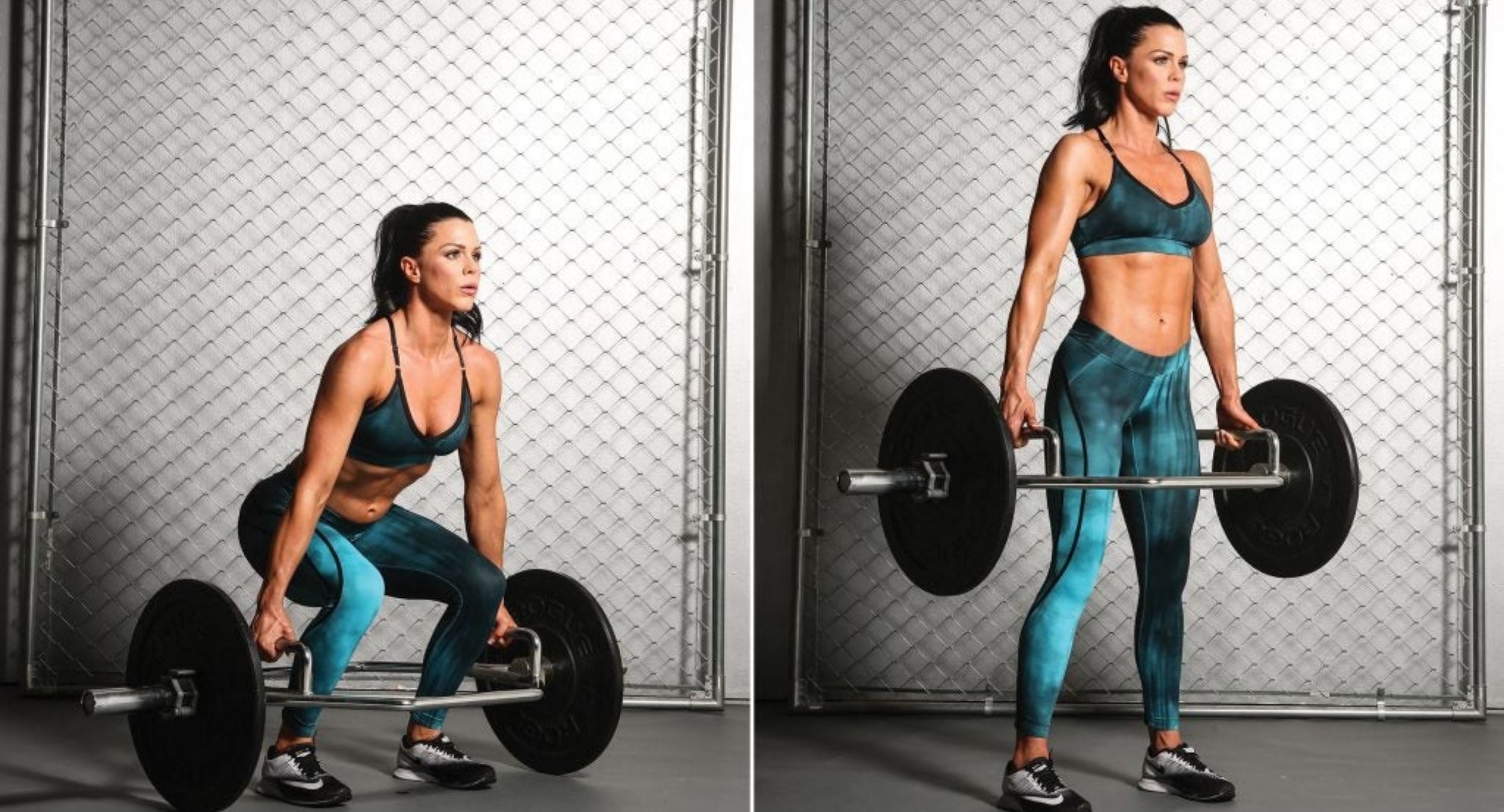
Recovering from a lower back injury and looking to rebuild strength? Understanding how to train safely with a hex bar post-injury is key. The hex bar’s unique design minimizes stress on your lower back, making it ideal for rehabilitation. This guide focuses on mastering the proper form for hex bar squats and deadlifts, two effective exercises that promote safe and effective strength building following a lower back injury.
You may also refer to Top Recovery Benefits of Suspension Push-Ups: How To Modify
- Safe Hex Bar Setup: Post-Injury
- Hex Bar Squats: Safe Post-Injury
- Hex Bar Deadlifts: Safe Return
- Hex Bar Progressions: Safe Training
- How to Train Safely With a Hex Bar Post-Injury Conclusion
- How to Train Safely With a Hex Bar Post-Injury Quick FAQ
Safe Hex Bar Setup: Post-Injury
Before you even think about loading the hex bar, setting it up correctly is crucial for a safe and effective workout, especially after a lower back injury. This phase is paramount for injury prevention and maximizing the benefits of your rehabilitation program. Remember, we’re focusing on rebuilding strength, not risking further damage. Proper form is everything in this context.
Here’s how to ensure a safe hex bar setup post-injury:
- Assess your space: Ensure you have ample room around the bar. You need enough space to comfortably perform the movements without bumping into anything. This includes sufficient space for your feet and movement range.
- Appropriate Bar Height: The hex bar should be positioned at a height that allows for a neutral spine and comfortable grip. Avoid excessively bending or straining to reach the bar. Adjusting the bar’s height is usually possible with many models. Always start with the lowest height to maintain optimal form.
- Foot Placement: Your feet should be shoulder-width apart or slightly wider, with your toes pointing slightly outwards. Experiment with different stances to find what feels most comfortable and stable for your body. A stable base is key to protecting your lower back.
- Grip Width: Experiment with different grip widths to find what feels most comfortable on your hands and shoulders. Don’t over grip, just take a firm hold. Remember that the hex bar design itself helps reduce strain on the lower back.
- Warm-up: Always start with a thorough warm-up that includes dynamic stretching and light cardio to prepare your muscles and joints. This will improve your range of motion and reduce the chance of injury during the exercises.
By paying close attention to these details during the setup, you can significantly improve the safety and effectiveness of your hex bar training and contribute to a successful recovery from your lower back injury. Remember, proper form is the foundation of a safe and effective workout. Consult your physical therapist if you have any questions or concerns.
Hex Bar Squats: Safe Post-Injury
Once you’ve established a safe setup, we can move on to the actual Hex Bar Squat. This exercise, with its reduced spinal loading, is a fantastic way to rebuild strength after a lower back injury. Remember, proper form is paramount to prevent re-injury. Here’s a breakdown of key points to consider for safe and effective Hex Bar Squats post-injury:
-
Start Light: Begin with a weight that allows you to maintain perfect form throughout the entire range of motion. It’s better to use a lighter weight and focus on technique than to risk injury by lifting too heavy too soon. Your physical therapist can help determine a suitable starting weight for your individual needs and recovery progress.
-
Controlled Descent: Lower yourself slowly, focusing on a controlled movement. Don’t let your lower back round; maintain a natural spinal curve by engaging your core muscles throughout the entire squat. Think about pushing your hips back as you descend, as if you were sitting in a chair.
-
Proper Foot Placement: Your feet should be shoulder-width apart, or slightly wider, with your toes pointed slightly outward. Experiment to find the most comfortable and stable position for you. This can vary based on individual anatomy and injury specifics.
-
Full Range of Motion (As Tolerated): Aim for a full range of motion, but listen to your body. If you experience any pain, stop immediately and reassess your form or reduce the weight. Pain is a clear signal that something is wrong, and ignoring it can lead to setbacks. Focus on the quality of your movement, not the quantity of reps.
-
Controlled Ascent: Push through your heels to return to the starting position. Again, maintain core engagement and a neutral spine. Avoid jerking movements, which can strain your lower back.
-
Breathing: Inhale as you descend and exhale as you ascend. Controlled breathing helps maintain stability and core engagement.
Remember, consistency is key. Regular, controlled Hex Bar Squats, performed with proper form, are a powerful tool for regaining lower back strength and stability after injury. Always consult your physical therapist to ensure that your exercise program is tailored to your individual needs and healing process.
Hex Bar Deadlifts: Safe Return
After mastering hex bar squats, incorporating hex bar deadlifts can further enhance your lower back recovery and build overall strength. Remember, the hex bar’s design minimizes spinal stress, making it ideal for individuals recovering from lower back injuries. This exercise, when performed correctly, will help you regain strength and functionality safely and effectively. Proper form is paramount; focus on these key points:
- Stance and Grip: Adopt a shoulder-width stance with your feet slightly angled outwards. Grip the hex bar with an overhand or mixed grip (one hand overhand, one underhand) ensuring a firm hold. This prevents the bar from slipping and reduces strain on your forearms, a common injury area for many post-back injury patients. Your grip should be comfortable and secure.
- Initiating the Lift: Begin by hinging at your hips, keeping your back straight and core engaged. Imagine pushing your hips backward, as if you are sitting down into a chair. Avoid rounding your back at any point during the lift – this is crucial for lower back health. Lower the bar until it grazes your shins; maintain a slight bend in your knees.
- The Lift: Drive through your heels, maintaining a straight back and tight core. Think about pushing the floor away from you, not just lifting the weight. Your back should remain straight and stable throughout the entire lift. This avoids over-extension or flexion, both problematic for recovering backs.
- Controlled Descent: Slowly lower the bar back to the starting position, focusing on maintaining control and avoiding sudden movements. Don’t just drop the weight; control the descent to prevent injury. This will allow you to maintain proper form and reduce back strain.
- Breathing: Inhale as you lower the bar and exhale forcefully as you lift it. This helps to stabilize your core and support your spine.
Start with a light weight to ensure you can maintain perfect form throughout the entire movement. Gradually increase the weight as your strength improves and always prioritize proper technique over lifting heavier weights. Remember, consistency and proper form are far more important than lifting maximal weights during your recovery. If you experience any lower back pain during the exercise, stop immediately and consult with a healthcare professional.
“`html
| Step | Description | Emphasis |
|---|---|---|
| Stance and Grip | Adopt a shoulder-width stance with feet slightly angled outwards. Grip the hex bar with an overhand or mixed grip ensuring a firm hold. | Prevents bar slippage and reduces forearm strain. |
| Initiating the Lift | Hinge at your hips, keeping your back straight and core engaged. Push hips backward, avoiding rounding your back. Lower the bar until it grazes your shins; maintain a slight bend in your knees. | Avoid rounding your back. Crucial for lower back health. |
| The Lift | Drive through your heels, maintaining a straight back and tight core. Push the floor away; your back should remain straight and stable. | Maintain straight back and stable core. Avoid over-extension or flexion. |
| Controlled Descent | Slowly lower the bar back to the starting position, focusing on control and avoiding sudden movements. | Controlled descent prevents injury and reduces back strain. |
| Breathing | Inhale as you lower the bar and exhale forcefully as you lift. | Stabilizes core and supports spine. |
| Important Considerations | Start with a light weight to maintain perfect form. Gradually increase weight as strength improves. Prioritize proper technique over heavier weights. Stop immediately if you experience lower back pain and consult a healthcare professional. | Prioritize proper form and listen to your body. |
“`
Hex Bar Progressions: Safe Training
Gradually increasing the intensity of your hex bar workouts is crucial for safe and effective rehabilitation after a lower back injury. Avoid pushing yourself too hard too soon. Start with lighter weights and focus on perfect form before gradually increasing the load. This ensures your back remains protected while you rebuild strength. Consider these progressions:
Bodyweight Practice
Before adding any weight, practice the movements with just the hex bar itself. This helps you to engrain proper form and build neuromuscular control. Focus on the full range of motion and maintaining a neutral spine. This phase is essential in building confidence and preparing your body for weight-bearing exercises.
Lightweight Training
Once comfortable with bodyweight movements, begin adding weight incrementally. Start with weights that allow you to perform 10-12 repetitions with perfect form. If you feel any pain in your lower back, immediately stop and reduce the weight. Remember, consistency and proper form are more important than heavy lifting at this stage. This builds strength without risking injury.
Progressive Overload
As your strength improves, you can gradually increase the weight, reps, or sets. This process, known as progressive overload, is key to building muscle and strength. However, always prioritize proper form over weight. Listen to your body, and don’t hesitate to reduce the weight if you feel any discomfort. Consider tracking your progress to monitor your gains and to ensure steady, manageable increases in intensity. Small increments are crucial to avoiding setbacks.
- Example Progression: Week 1: 10 reps x 3 sets; Week 2: 12 reps x 3 sets; Week 3: 10 reps x 4 sets; Week 4: Increase weight slightly, 10 reps x 3 sets.
Remember that consistency is key. Regular training with proper form will lead to significant improvements in your strength and stability, all while keeping your lower back safe and healthy.
How to Train Safely With a Hex Bar Post-Injury Conclusion
Recovering from a lower back injury requires a careful and considered approach to strength training. This guide on How to Train Safely With a Hex Bar Post-Injury has highlighted the benefits of the hex bar for individuals in recovery. Its unique design significantly reduces stress on the spine, making hex bar squats and deadlifts valuable tools in your rehabilitation journey.
Remember, the key to success lies in mastering proper form. Starting with lighter weights, focusing on controlled movements, and paying close attention to your body’s signals are paramount. Ignoring pain is never an option; it’s a crucial indicator that you need to adjust your technique or reduce the weight. This careful approach ensures you rebuild strength effectively, minimizing the risk of re-injury.
Throughout your recovery, consistency is just as crucial as correct form. Regular, well-executed training sessions will yield better results than infrequent intense workouts. The progressive overload method, as described above, provides a structured way to gradually increase the challenge, ensuring continued progress without overwhelming your body.
Key Takeaways for Safe Hex Bar Training Post-Injury:
- Prioritize Proper Form: Always maintain correct technique, even if it means using lighter weights.
- Listen to Your Body: Pain is a warning sign; stop immediately if you experience any discomfort.
- Gradual Progression: Start light, gradually increase weight and intensity, focusing on progressive overload.
- Consistency is Key: Regular training sessions, even if shorter, are more effective than infrequent intense ones.
- Consult Your Physical Therapist: Their guidance is invaluable in tailoring a safe and effective rehabilitation program for your specific needs and recovery progress.
By following these guidelines and consistently practicing safe hex bar training techniques, you can effectively rebuild strength, improve stability, and safely return to the activities you enjoy. Remember, patience and persistence are crucial components of your recovery journey. With dedication and the right approach, you can achieve your fitness goals while protecting your lower back.
How to Train Safely With a Hex Bar Post-Injury Quick FAQ
How much weight should I start with when using a hex bar after a lower back injury?
Start with a very light weight, or even just the bar itself, to focus on perfect form. Your ability to maintain a neutral spine and controlled movements is far more important than the weight you lift. Gradually increase the weight only when you can consistently perform 10-12 repetitions with perfect form. If you feel any pain, stop immediately and reduce the weight. Consult with your physical therapist for guidance on appropriate starting weights based on your specific injury and recovery progress.
What should I do if I feel pain during a hex bar squat or deadlift?
If you experience any pain during the exercise, stop immediately. Do not push through the pain. Pain is your body’s way of telling you something is wrong. Reassess your form to ensure you’re maintaining a neutral spine and controlled movements. If the pain persists even with perfect form, reduce the weight or stop the exercise altogether and consult with your physical therapist or doctor. Ignoring pain can lead to setbacks and further injury.
How often should I do hex bar squats and deadlifts after a lower back injury?
The frequency of your workouts depends on your individual recovery progress and your physical therapist’s recommendations. It’s generally advisable to start with fewer sessions per week (e.g., 2-3) and gradually increase the frequency as your strength and tolerance improve. Listen to your body and prioritize rest and recovery. Overtraining can hinder your progress and increase the risk of re-injury. Always prioritize quality over quantity – focus on performing each repetition with perfect form rather than aiming for a high number of repetitions or sets.